
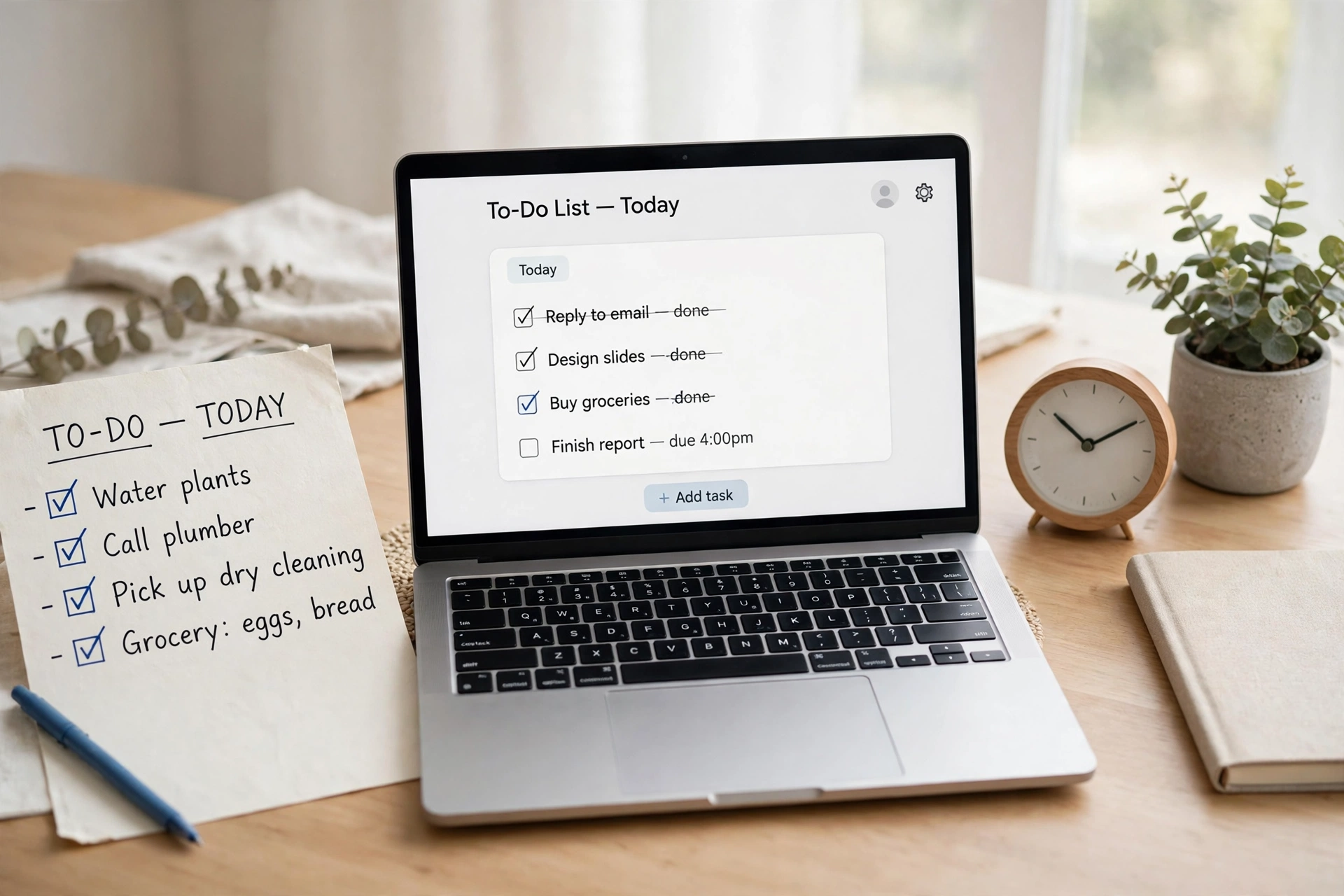
How to Stop Procrastinating: An Easy Guide to Get Things Done
Quick answer: how to stop procrastinating
Yes, you can learn how to stop procrastinating in a few simple steps, and you can start today. Pick one small task, set a timer for 25 minutes, and start before you feel ready. The full guide below shows you how to stop procrastinating step by step, so you can get things done at work, at school, and at home.
What Is Procrastination and Why Do We Do It?
Procrastination means you put off a task you should do now. You plan to start later. Almost everyone does it, so you are not lazy and you are not alone. If you ask why do I procrastinate, the answer is often simple. The task feels too big, too boring, or too scary, so your brain picks an easy thing, like scrolling, instead of the hard thing.
Procrastination is not a time problem. It is a feeling problem. We delay tasks that make us feel bored, unsure, or afraid to fail. You do not need more willpower to learn how to stop procrastinating. You need a smaller first step and a clear plan. When you learn how to stop procrastinating, you make the task so small and so easy that starting feels safe.
Here are the most common reasons we put things off.
- The task feels too big and you do not know where to start
- You fear the work will not be good enough
- The task is boring and your phone is more fun
- You have no clear deadline, so it feels like you have all the time in the world
When you know your reason, you can pick the right fix for how to stop procrastinating. A big task needs small parts. A boring task needs a timer and a reward. Fear needs a rough first draft that no one else will see. These procrastination tips work because they match the real cause, and that is how to overcome procrastination for good. For more simple life and work guides, browse our Money, Career and Life tips.
What Do You Need?
You do not need special tools to learn how to stop procrastinating. Here is the full list.
- A pen and paper, or a notes app
- A timer, on your phone or a kitchen timer
- Your top three tasks
- A quiet spot to work
- A small reward when you finish, like a cup of tea
That is all you need to learn how to stop procrastinating. No fancy app and no costly course. Keep it simple and start small.
How to Stop Procrastinating in 7 Easy Steps
This is the full method for how to stop procrastinating. Read the steps once, then start with step one today.
Step 1: Pick One Small Task
Do not try to fix everything in one day. Pick one small task, just one. It can be one email, the first line of a report, or the dishes. A small task is easy to start, and starting is the hardest part. When you finish it, you get a small win. This is the first step in how to stop procrastinating and start working.
Step 2: Make the First Step Tiny
Make the first step so small that you cannot say no to it. If you need to write a report, open a blank page and write one bad sentence. If you need to study, open the book to page one. A tiny first step beats a perfect plan. Once you start, your brain wants to keep going. That is how to stop procrastinating without a fight.
Step 3: Set a Clear Time and Place
Pick a time and place for your task, and write it down on paper or a whiteboard. If you use a whiteboard, learn how to clean a whiteboard so your plan stays clear. Say, “I will work on my report at 9 at my desk.” A vague plan like “I will do it later” almost never works. A clear plan tells your brain when to start. A clear start time is a simple way to learn how to stop procrastinating and start working on time.
Step 4: Work in Short Bursts with a Timer
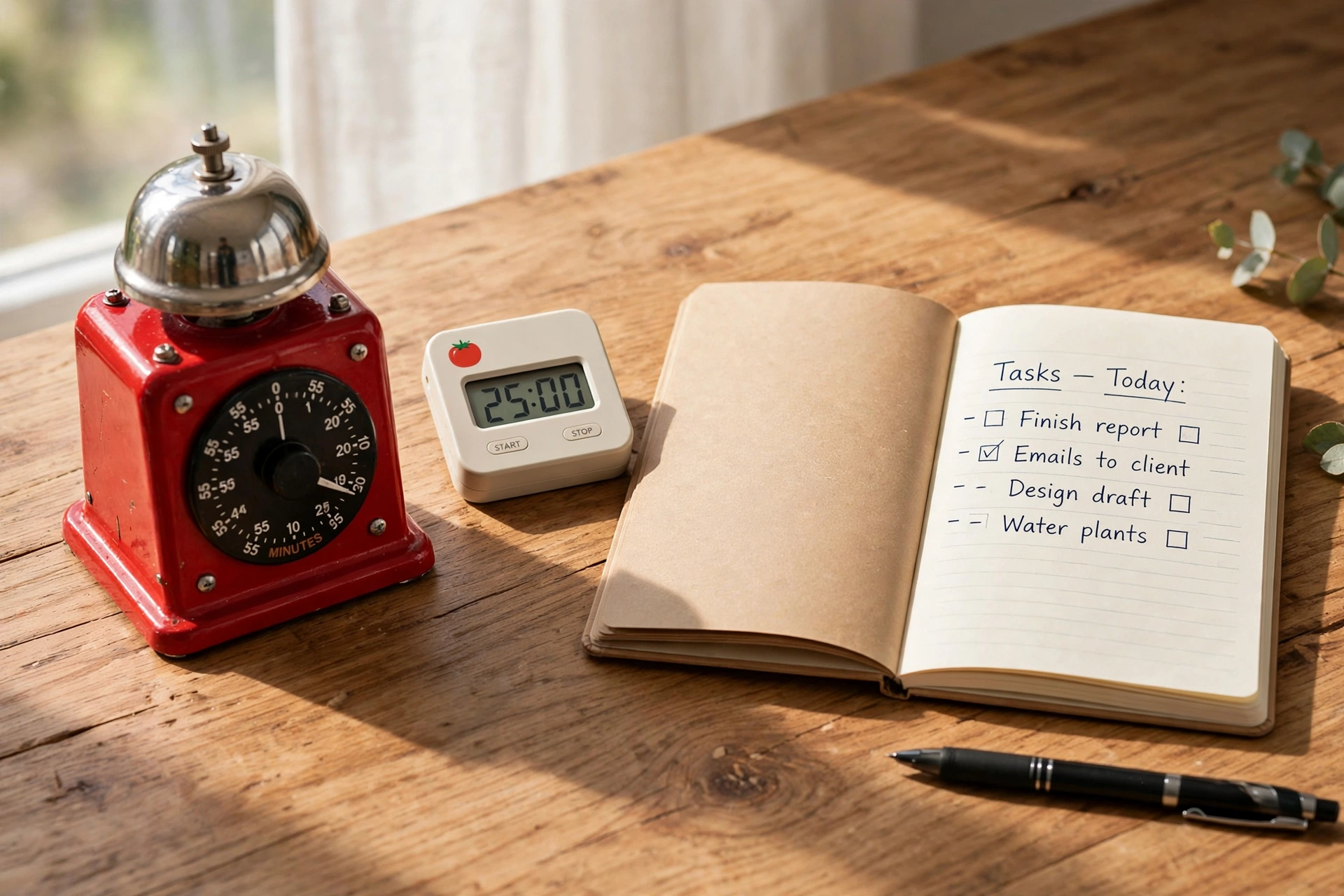
Set a timer for 25 minutes and work on one task. This is called the Pomodoro method, and it works because 25 minutes feels short and safe. When the timer rings, take a 5 minute break, then start another block if you want. Short bursts help you focus. If 25 minutes feels too long, start with 10 minutes. That is why a timer is a great tool for how to stop procrastinating.
Step 5: Remove Distractions Before You Start
Before you start, remove the things that pull you away. Put your phone in another room or turn on silent mode. Close extra tabs and keep the one you need. If you work on a laptop, learn how to change default browser settings so links open where you want, and close the tabs you do not need. Tell people around you that you need 25 quiet minutes. Removing distractions is one of the best procrastination tips for how to stop procrastinating, because it makes focus the easy choice.
Step 6: Reward Yourself After Each Block
After each work block, give yourself a small reward. Make a cup of tea, blend a quick smoothie, take a short walk, or stretch for two minutes. If your blender needs a wash first, learn how to clean a blender. A reward tells your brain work leads to good things. Keep the reward small and quick. If you like coffee, learn how to make cold foam at home for your break treat. Small rewards make the habit stick, and that is how you learn how to stop procrastinating for good.
Step 7: Track Your Wins and Repeat Tomorrow
At the end of the day, write down what you finished, even if it is small. Seeing your wins builds trust in yourself. Then plan tomorrow’s top three tasks before bed, and lay out your clothes for the morning. If your shoes need a shine, learn how to polish shoes the night before. When you wake up, you know where to start. Small wins, done daily, are how to stop procrastinating for the long term.
Which Method Works Best?
There are many ways to stop procrastinating. Each one fits a different task. Here is a clear look at the four most popular methods, so you can pick the right one for today.
2-Minute Rule: Best for Small Tasks
If a task takes less than 2 minutes, do it now. Reply to the email, file the paper, or wash the cup. The 2-minute rule clears small tasks fast. It does not work for big tasks, so use it only for small ones.
Pomodoro Method: Best for Deep Work
Work 25 minutes, then take a 5 minute break. This is the Pomodoro method, best for study, writing, and deep work. You need a timer, and you must take the break so your mind can rest.
Eat the Frog: Best for the Task You Fear
Do the hardest task first in the morning. This is called eat the frog, best for the one big task you fear most. Do it first, and the rest of the day feels light.
5-Second Rule: Best for Getting Unstuck
Count 5, 4, 3, 2, 1, then move. The 5-second rule is best when you feel stuck and need a push to start. It only helps you start, so you still need a plan.
So which method works best? For most people, the Pomodoro method wins for daily work, and the 2-minute rule wins for small tasks. You can mix them. Use the 5-second rule to stand up, eat the frog to pick the hard task, Pomodoro to work on it, and the 2-minute rule to clear small tasks. Try one method this week and keep the one that helps. That is the smart way to learn how to stop procrastinating and keep the habit.
How to Stop Procrastinating at Work
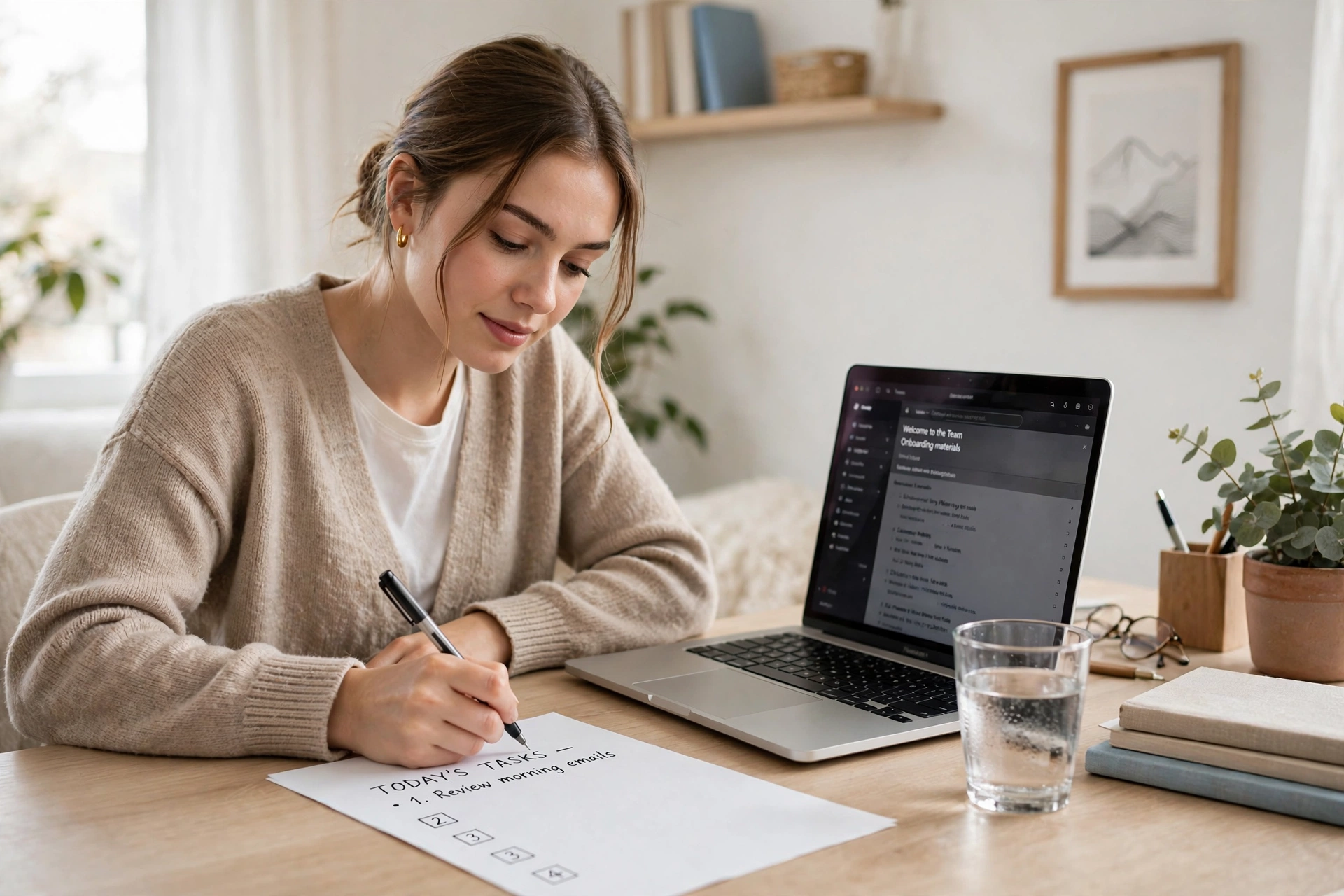
Work is where procrastination hits hardest. Tasks are big, the inbox is full, and meetings eat the day. Start by picking your top three tasks before you open email. Work on your hardest task first. Use a timer for each work block, and close your chat apps during that time. If a task feels too big, cut it into parts and do the first part only.
Keep your files clean so you can find things fast. If your computer is full of copies and old files, learn how to remove duplicates in Excel to clean up your sheets. A clean workspace makes it easier to start. Set up smart tools to stay on track. You can learn how to set up google alerts to follow news for your job without checking the web all day. Check your alerts once a day. At the end of the day, write tomorrow’s top three tasks. That is how to stop procrastinating at work, one clear day at a time.
How to Stop Procrastinating When Studying
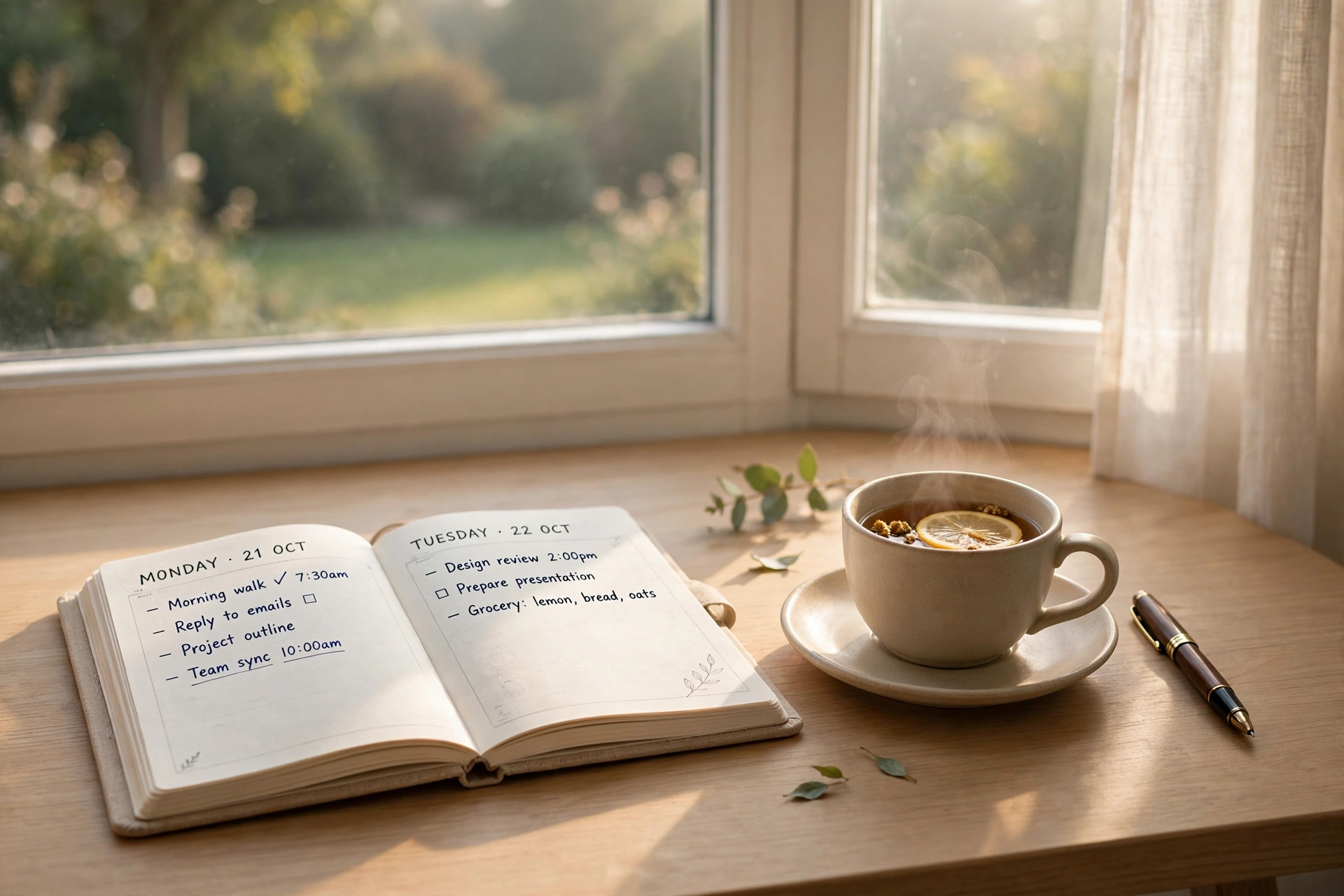
Studying is hard to start because the reward feels far away, but your phone is right here. First, pick one small study goal for today. Not “study all day,” but “read 10 pages” or “learn 20 new words.” Second, set a 25 minute timer and study with no phone in the room. Third, take a 5 minute break, then do one more block if you can. Two blocks a day beat ten blocks you never start.
Use active study, not just reading. Write a short summary in your own words after each page. Quiz yourself with flashcards. Teach the idea to a friend, or even to yourself out loud. To learn a language, read our guide on how to learn a new language and pick one small daily goal, like 10 new words a day. If Spanish is your goal, our guide on how to learn spanish fast shows you how to start small and stay steady. If you need to work out your grades, learn how to calculate gpa so you know where you stand. Small daily study, tracked on paper, is how to stop procrastinating when studying.
Mistakes to Avoid When You Stop Procrastinating
Many people try to fix procrastination and give up too soon. Avoid these mistakes.
- Waiting to feel motivated. Motivation comes after you start.
- Planning too much and doing too little. A simple plan you follow beats a perfect plan.
- Trying to do everything at once. Pick one task and finish it first.
- Beating yourself up when you slip. One bad day does not erase your progress.
- Working without breaks. Take the 5 minute break.
- Working when you are sick. Rest first, and if you keep coughing, read how to stop coughing.
- Keeping your phone next to you. Move it to another room.
- Setting goals that are too big. Cut them in half until they feel easy.
If you slip, do not quit. Just start the next small task. That is the whole secret of how to stop procrastinating for good.
How to Stop Procrastinating: Quick Checklist
Use this checklist every morning to learn how to stop procrastinating and start your day right.
- Pick your top three tasks.
- Make the first step tiny.
- Set a time and place to start.
- Put your phone in another room.
- Set a 25 minute timer and start.
- Take a 5 minute break.
- Reward yourself, then start the next block.
- At night, write your wins and plan tomorrow.
Frequently Asked Questions
Why do I procrastinate even when I know I should start?
You procrastinate because the task makes you feel bored, unsure, or afraid to fail. Your brain picks the easy thing now. The fix is to make the first step tiny and safe. Open the page, write one sentence, and start the timer. That is how to stop procrastinating when fear holds you back.
How can I stop procrastinating right now?
Stand up, count 5, 4, 3, 2, 1, and start the smallest part of your task. Set a 10 minute timer and work on that part only. Do not check your phone until the timer rings. Starting now, even for 10 minutes, breaks the delay.
How do I stop procrastinating at work when my inbox is full?
Pick your top three tasks before email. Work on the hardest one first for 25 minutes with your chat apps closed. Then check email once and go back to your task list. A clear order is how to stop procrastinating at work when the day feels full.
How do I stop procrastinating when studying for a test?
Set a small daily goal, like 10 pages or 20 flashcards, and study in 25 minute blocks with no phone nearby. After each block, write a short summary. Two focused blocks a day beat a full day of staring at your notes.
Is procrastination a sign of laziness?
No, procrastination is not laziness. Lazy people do not care about the task at all. People who procrastinate care a lot, but they feel stuck or afraid. The fix is a smaller first step, a clear plan, and a kind word to yourself when you slip.
How long does it take to stop procrastinating?
You can start today and feel a change in one week if you use the steps daily. A full habit takes three to four weeks of small daily wins. Aim for one focused block a day, then build from there. Small steps, done daily, are how to stop procrastinating for good.
What is the best method to stop procrastinating?
Pomodoro works best for most people because it makes work feel short and safe. The 2-minute rule is best for small tasks, and eat the frog is best for the one big task you fear. Try Pomodoro first. Use the method you will use every day.
Related Guides You May Like
If you liked this guide, try these easy guides from Daily Life Hacks. They help you practice how to stop procrastinating in small daily ways. Learn how to calculate gpa to track your progress, read how to learn spanish fast for a fun study goal, see how to learn a new language for daily study tips, check how much caffeine is too much so coffee helps you focus, learn how to make cold foam for a break reward, and see how to set up google alerts for work news. Browse all our Money, Career and Life tips for more simple guides. Also read how to stop spam emails, and how to prepare for a phone interview.
Final Thoughts
Learning how to stop procrastinating is easy once you know the golden rule: start small, start now, and start before you feel ready. Pick one task, make the first step tiny, set a timer, and remove your phone. Now that you know how to stop procrastinating the easy way, you can get things done at work, at school, and at home. Just remember to reward yourself, track wins, and plan tomorrow. Those three rules are the heart of how to stop procrastinating for good.
About the author
Alex Morgan writes about money, work, and daily life for Daily Life Hacks. Alex shares simple steps to save money, grow at work, and live a little better every day. More from Alex Morgan
